
CITY STREAMS
CITY STREAMS
Crowds and city shapes
Foules et formes urbaines
Crowds and city shapes
Foules et formes urbaines
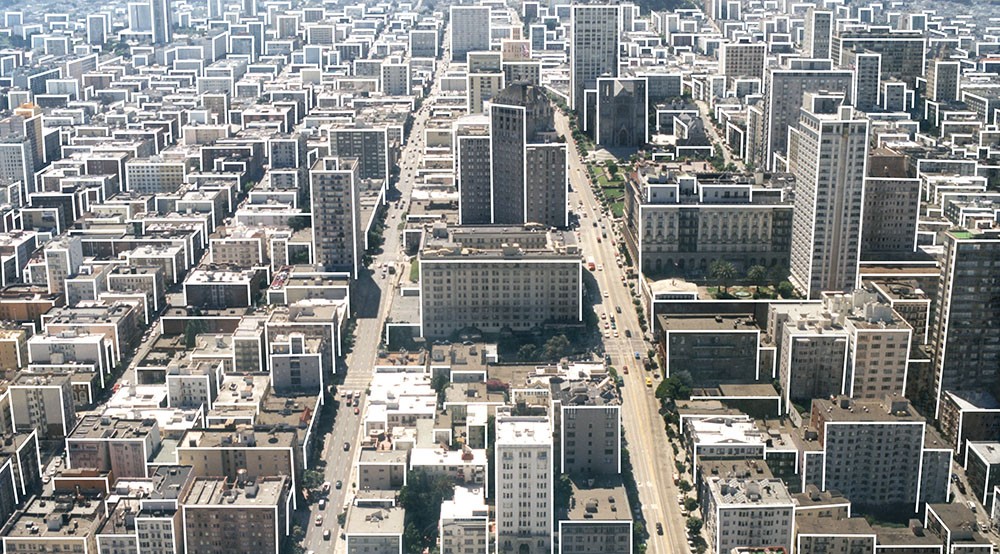
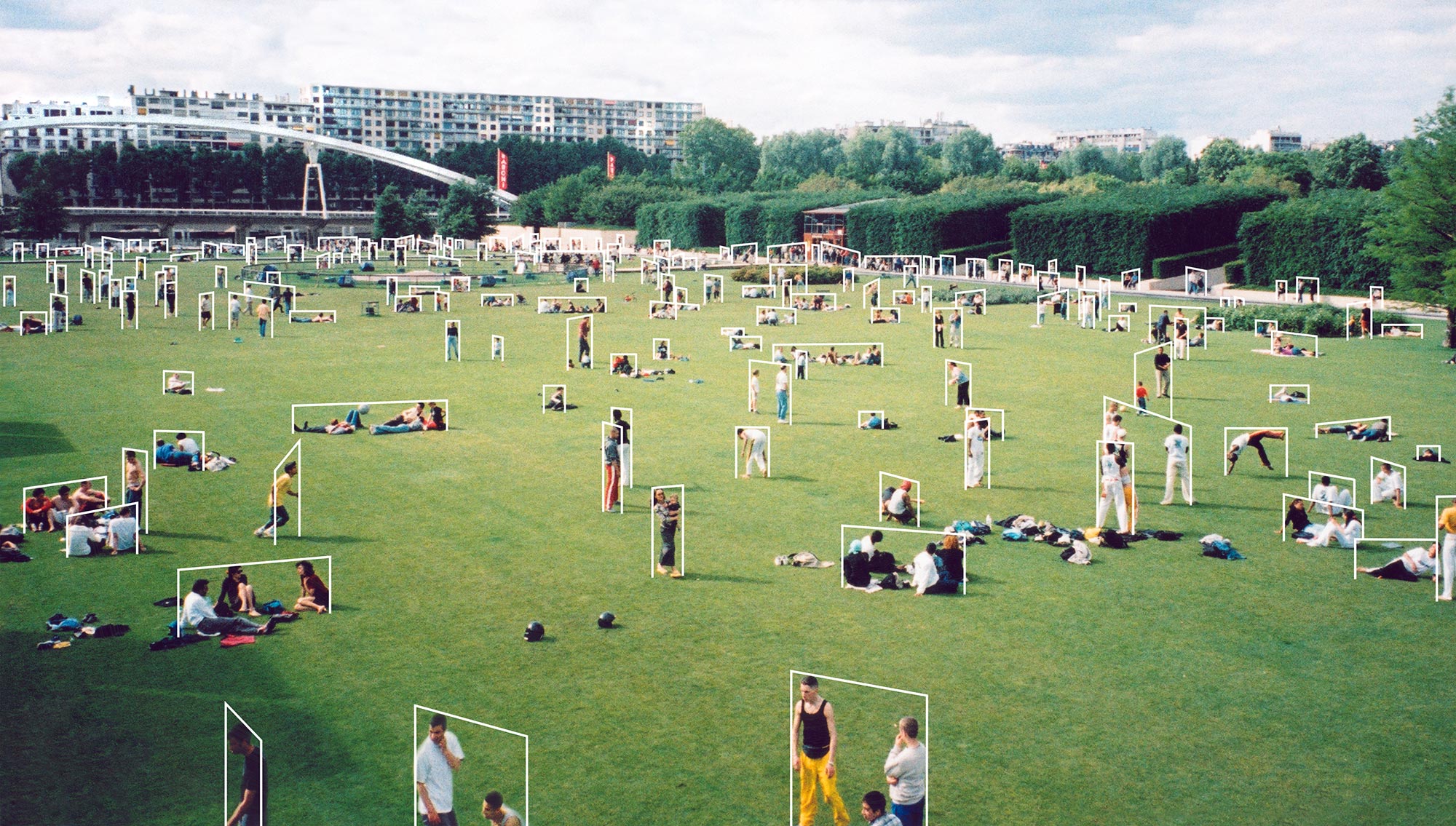
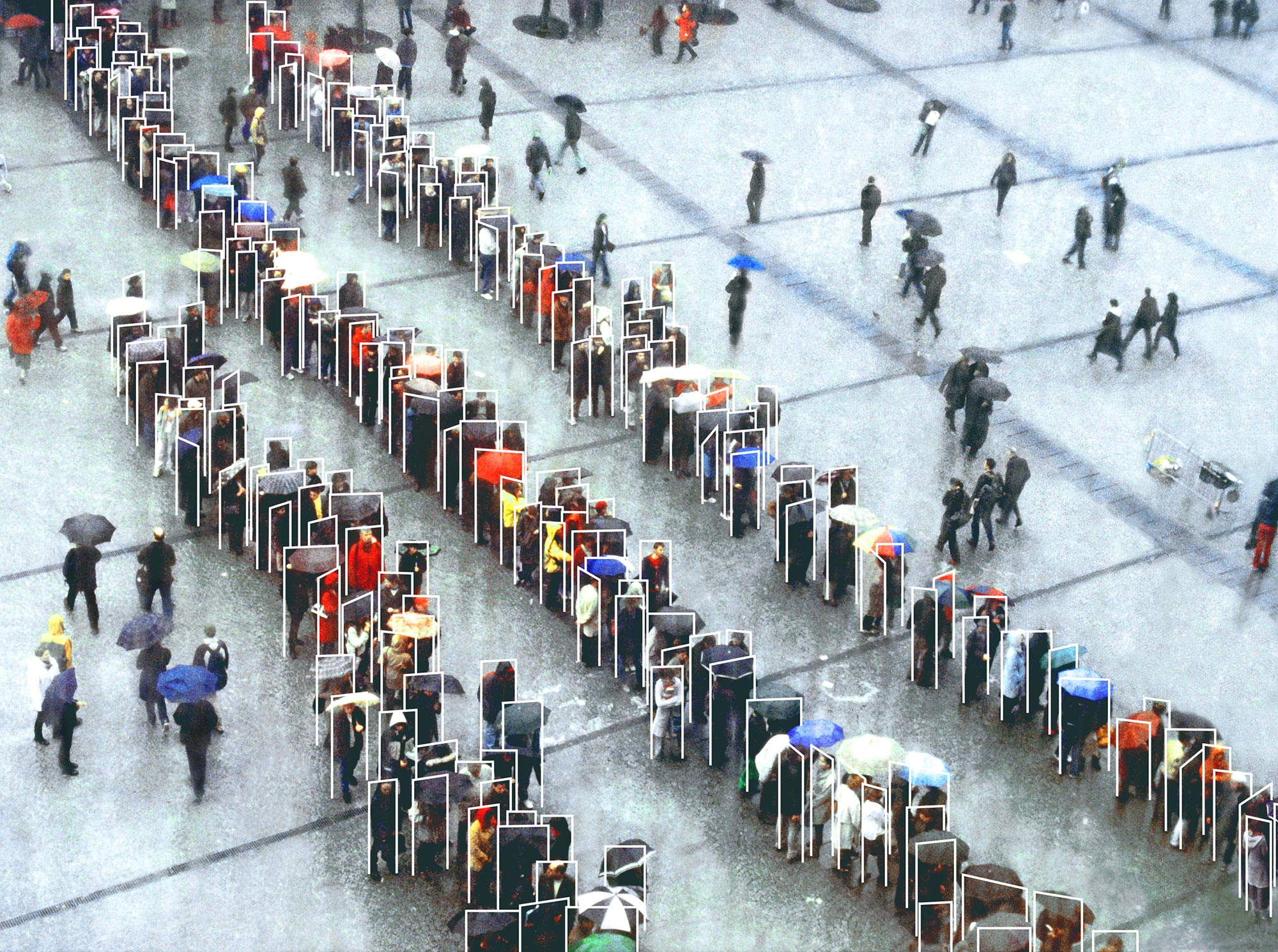
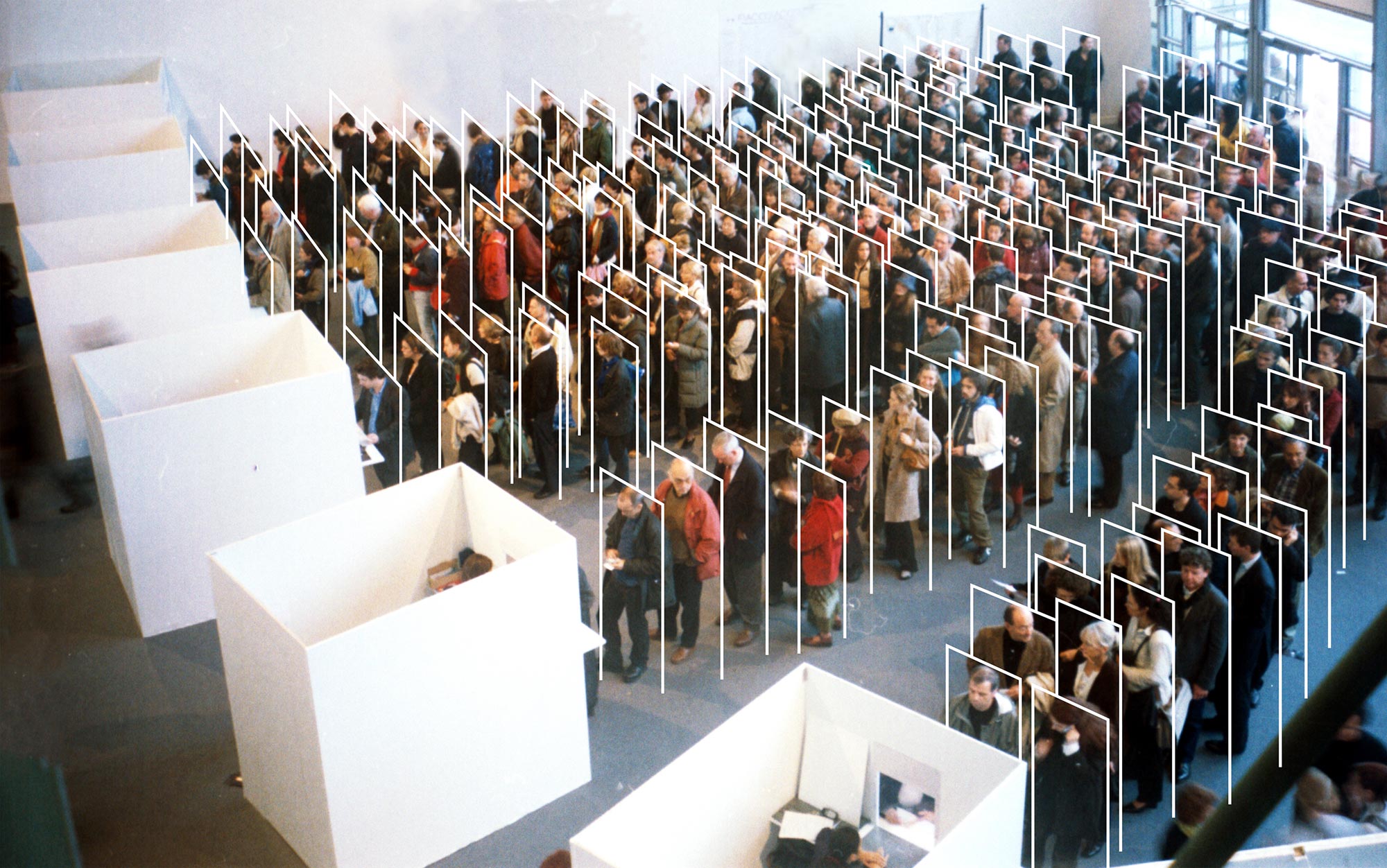
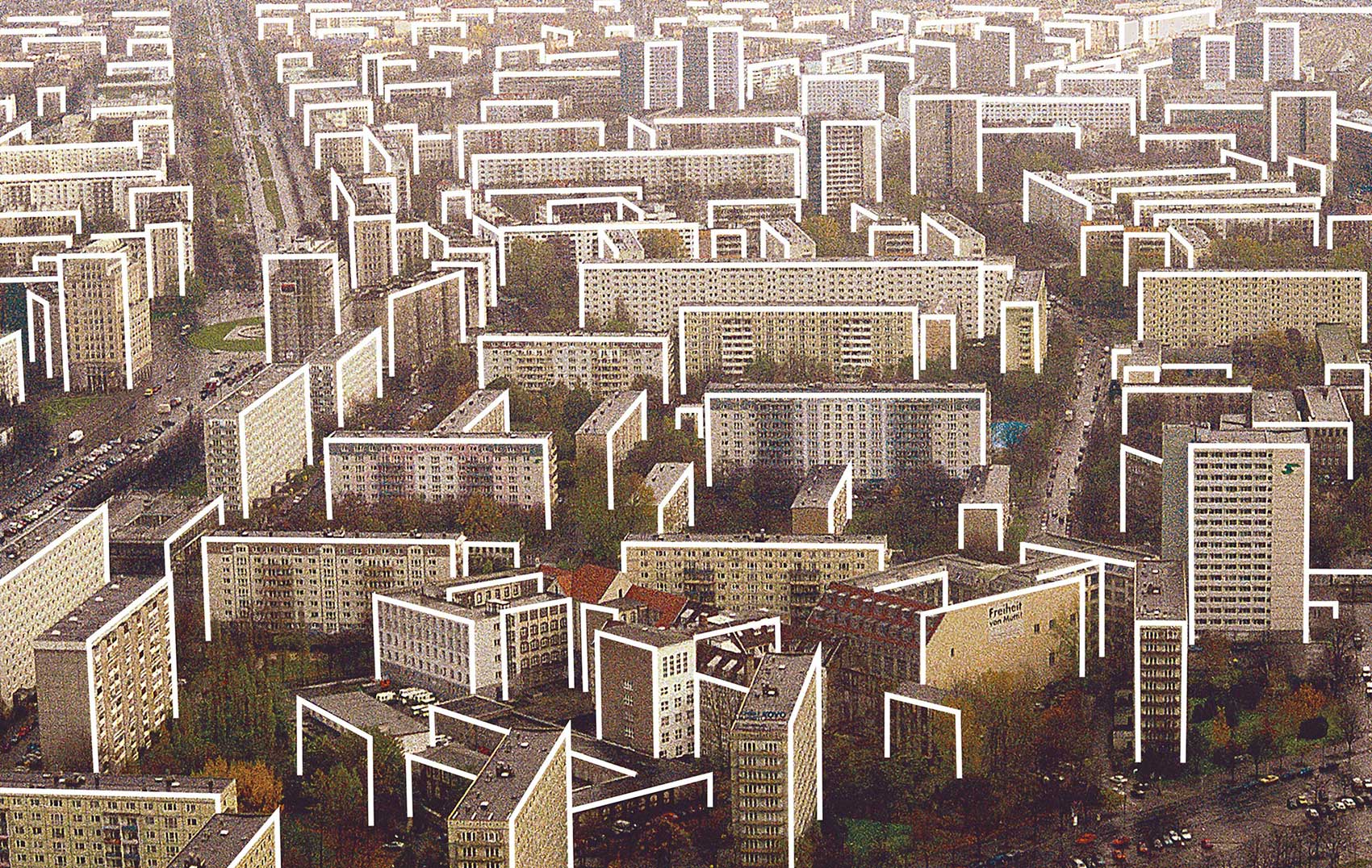
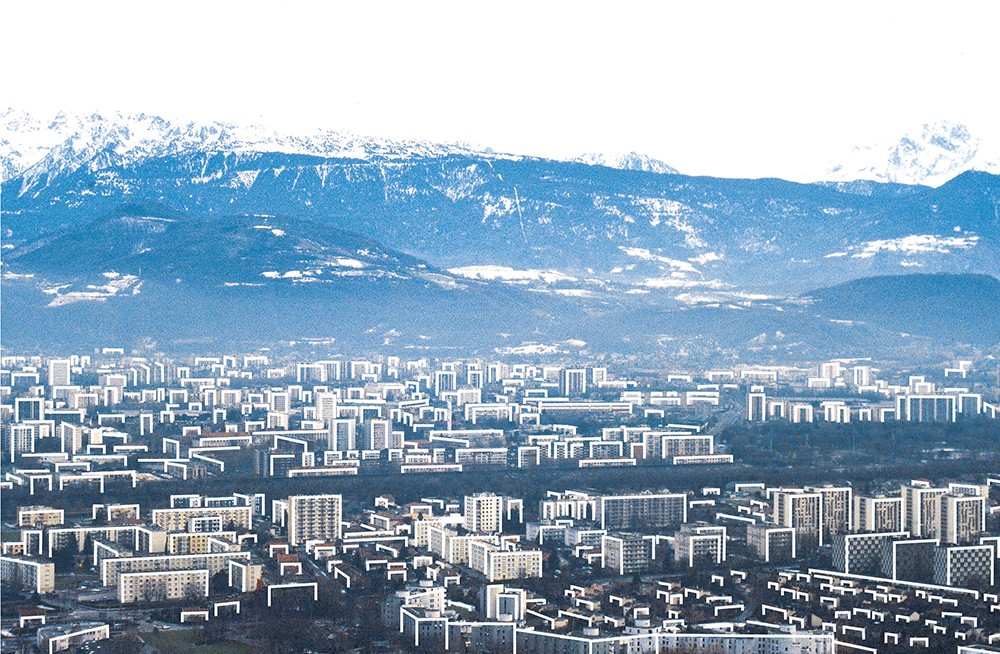
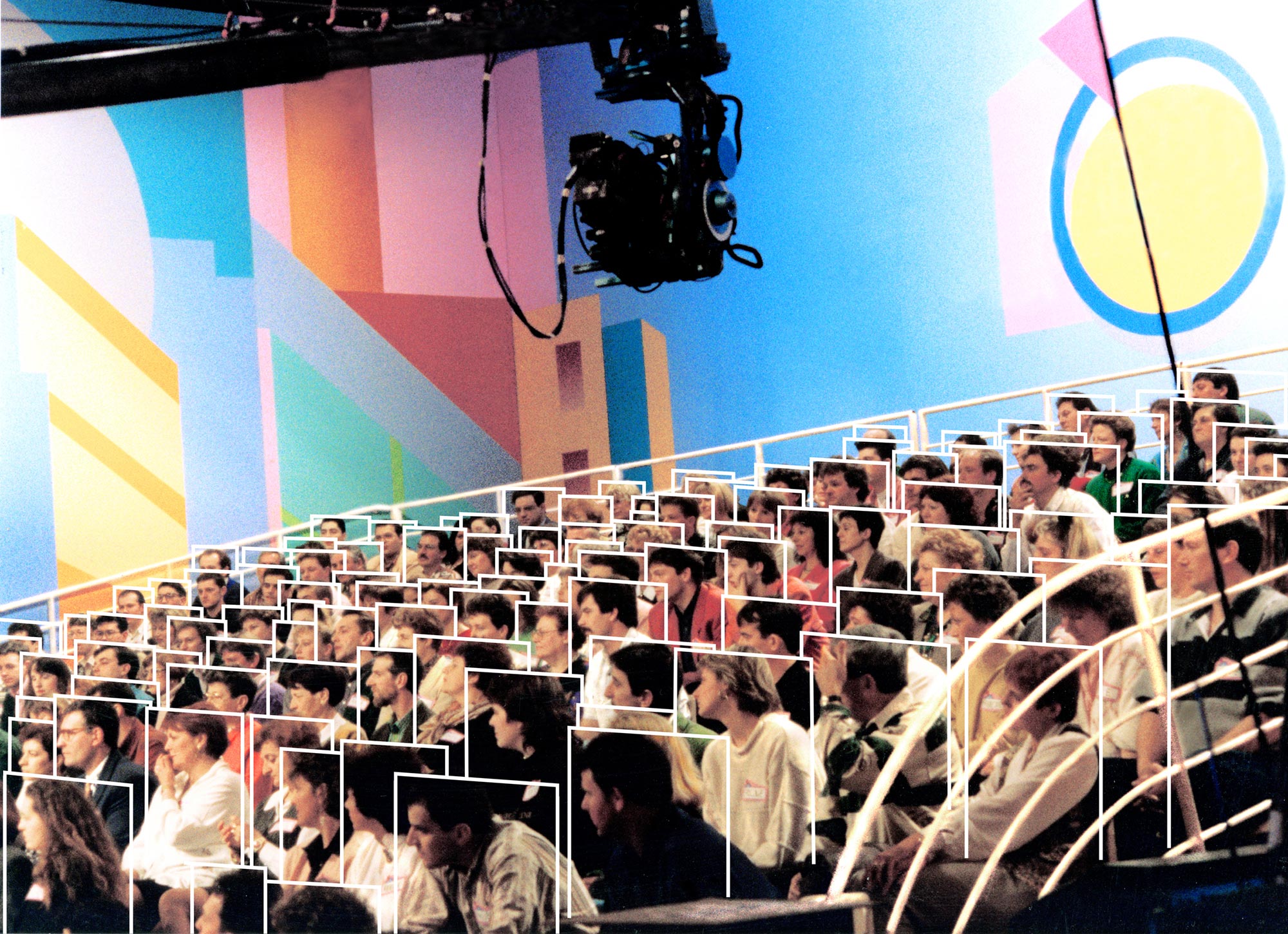
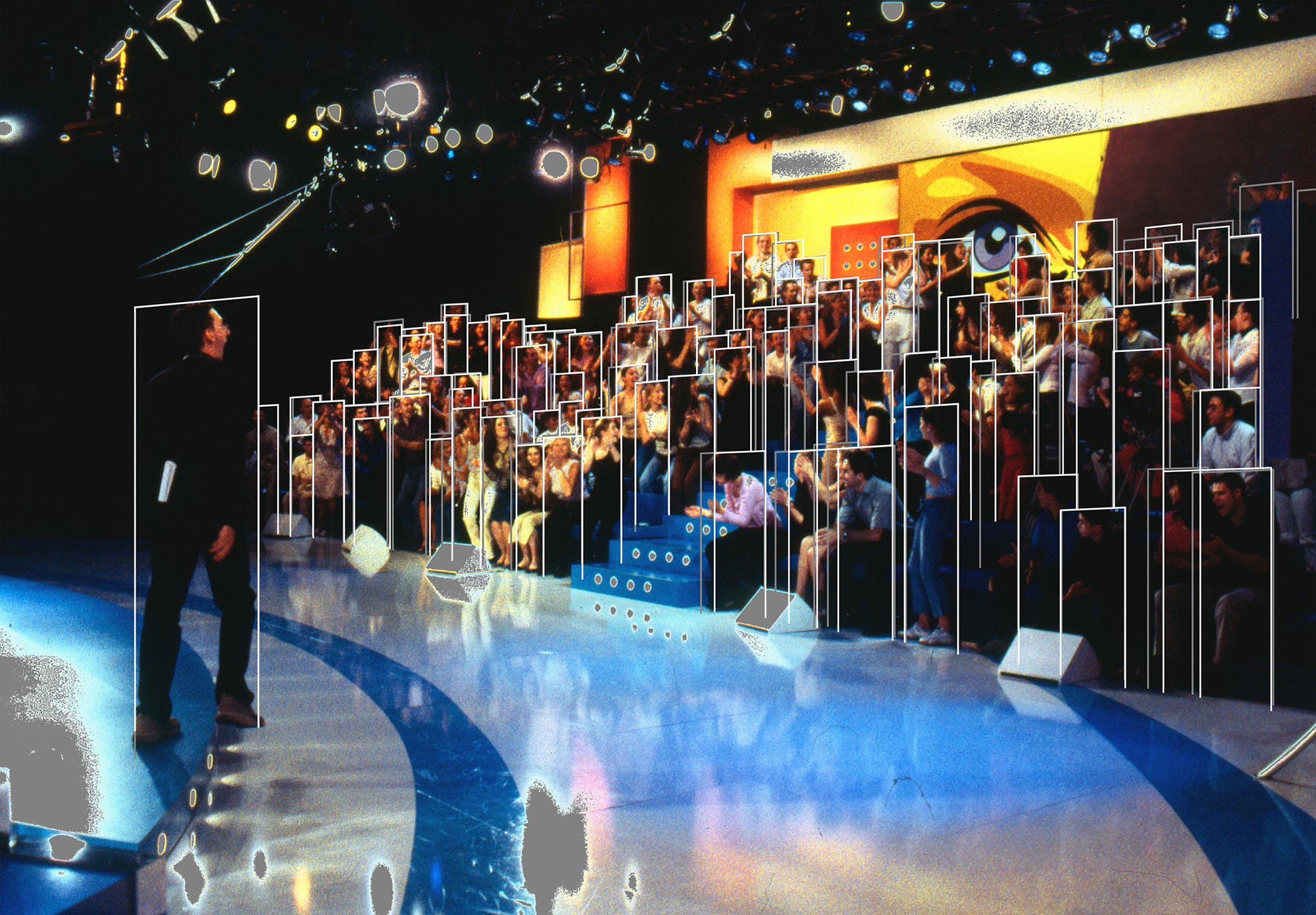
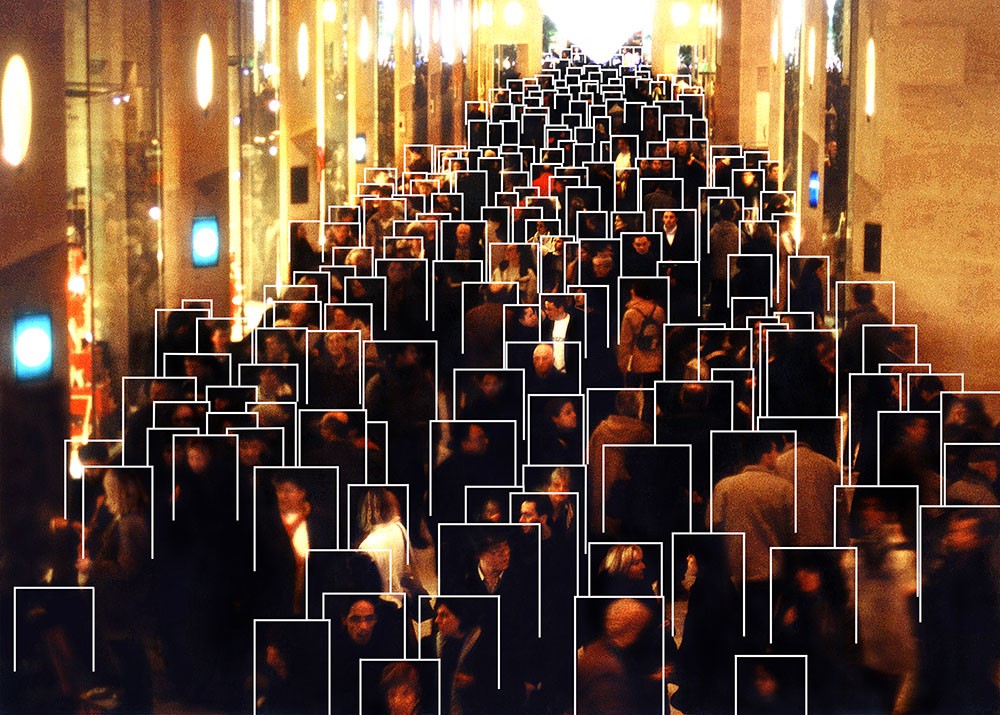
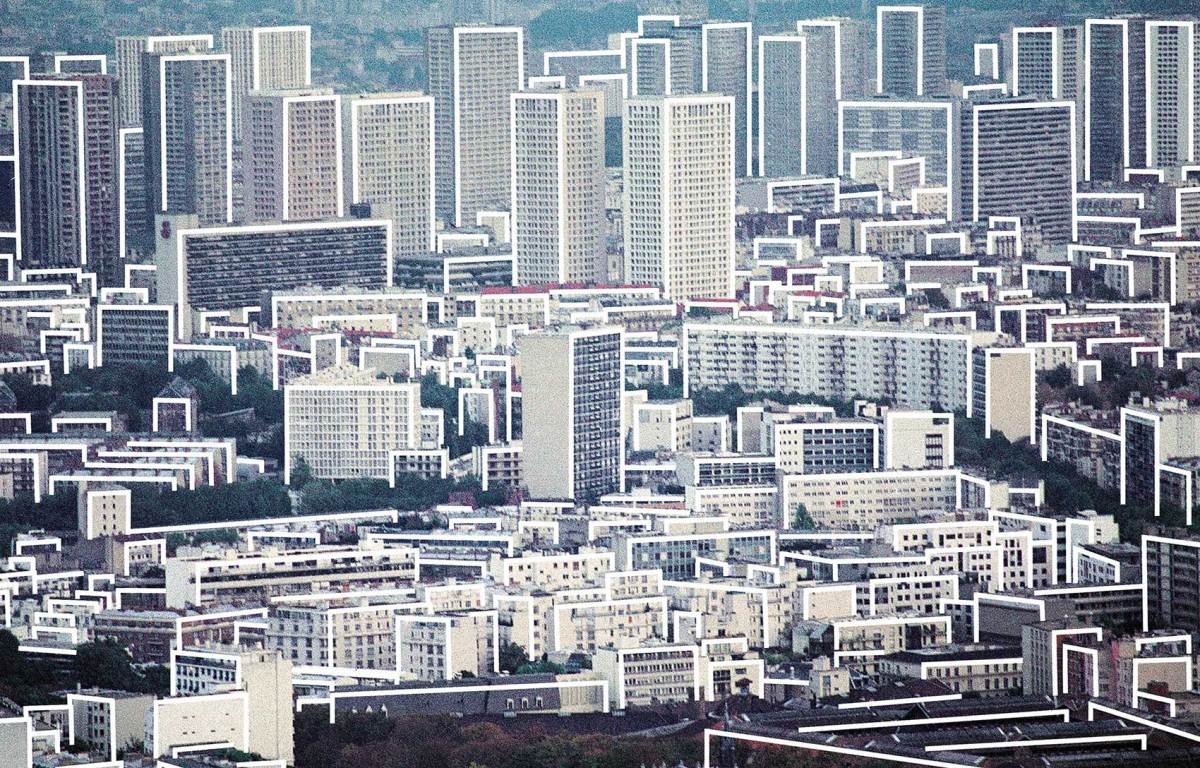
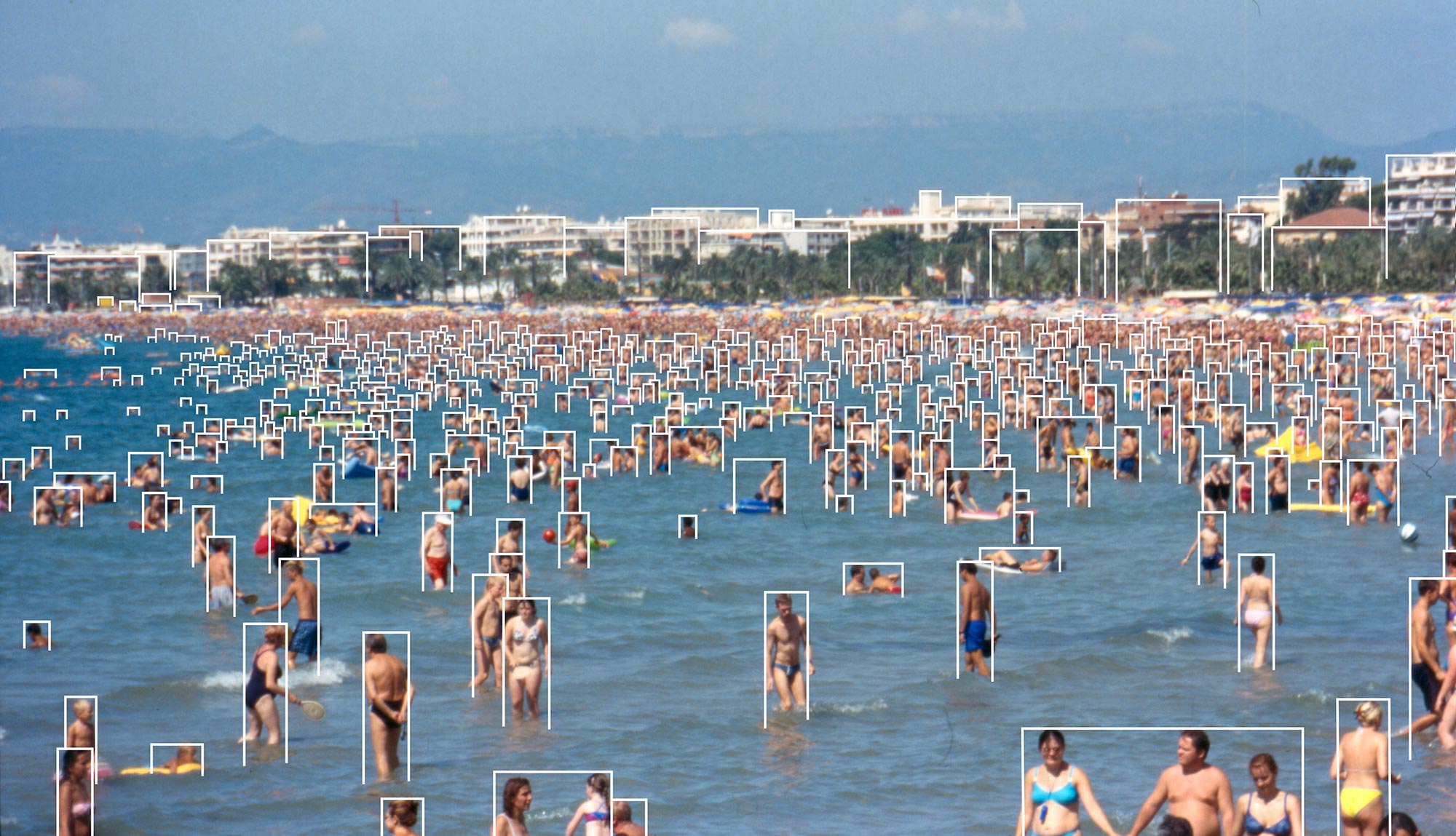
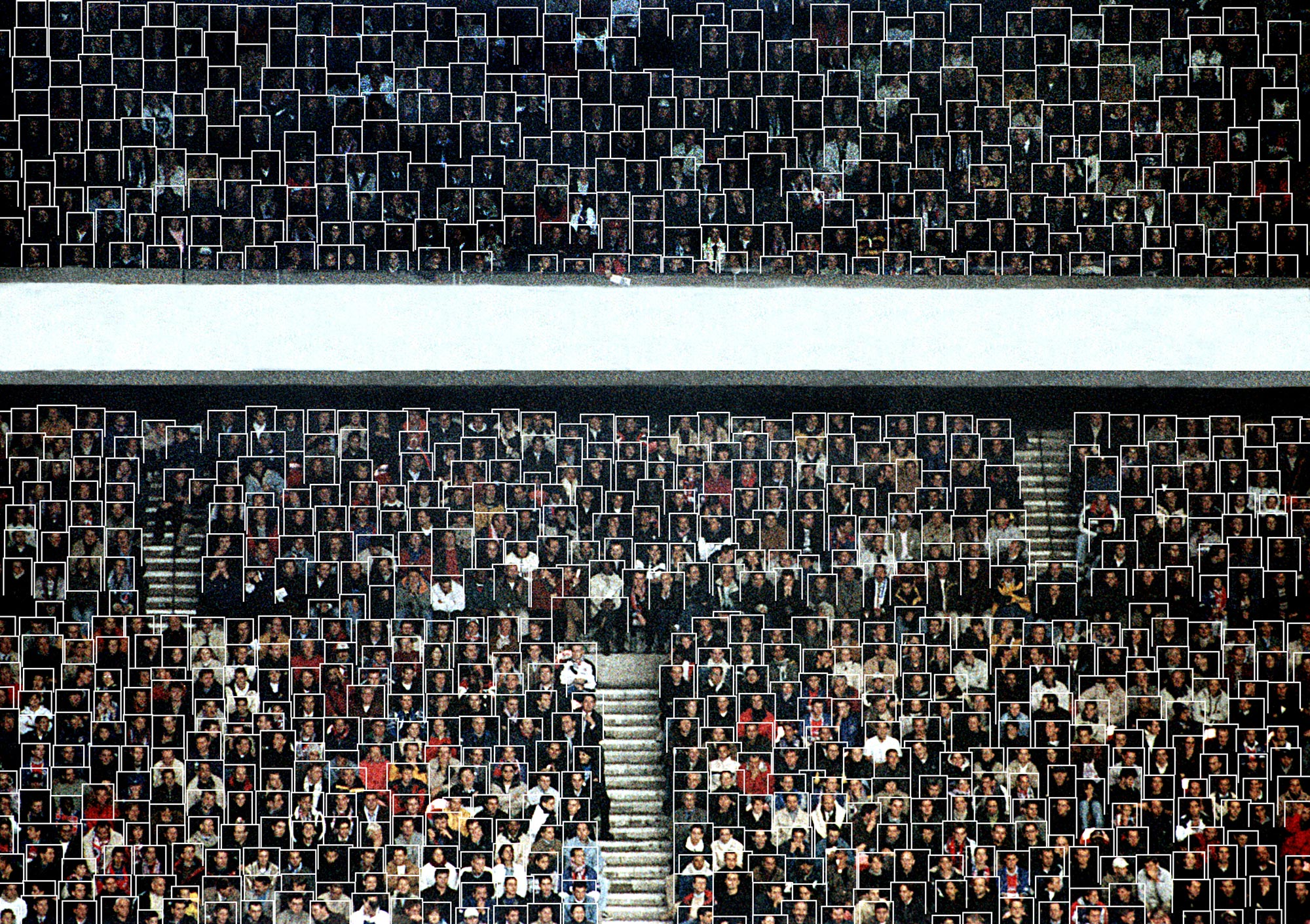
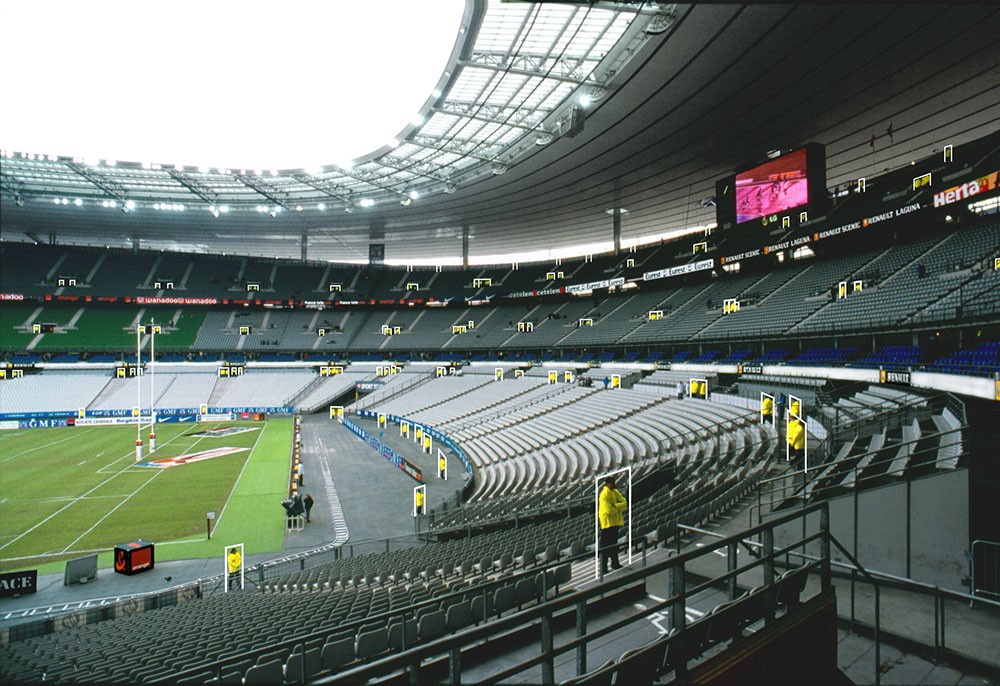
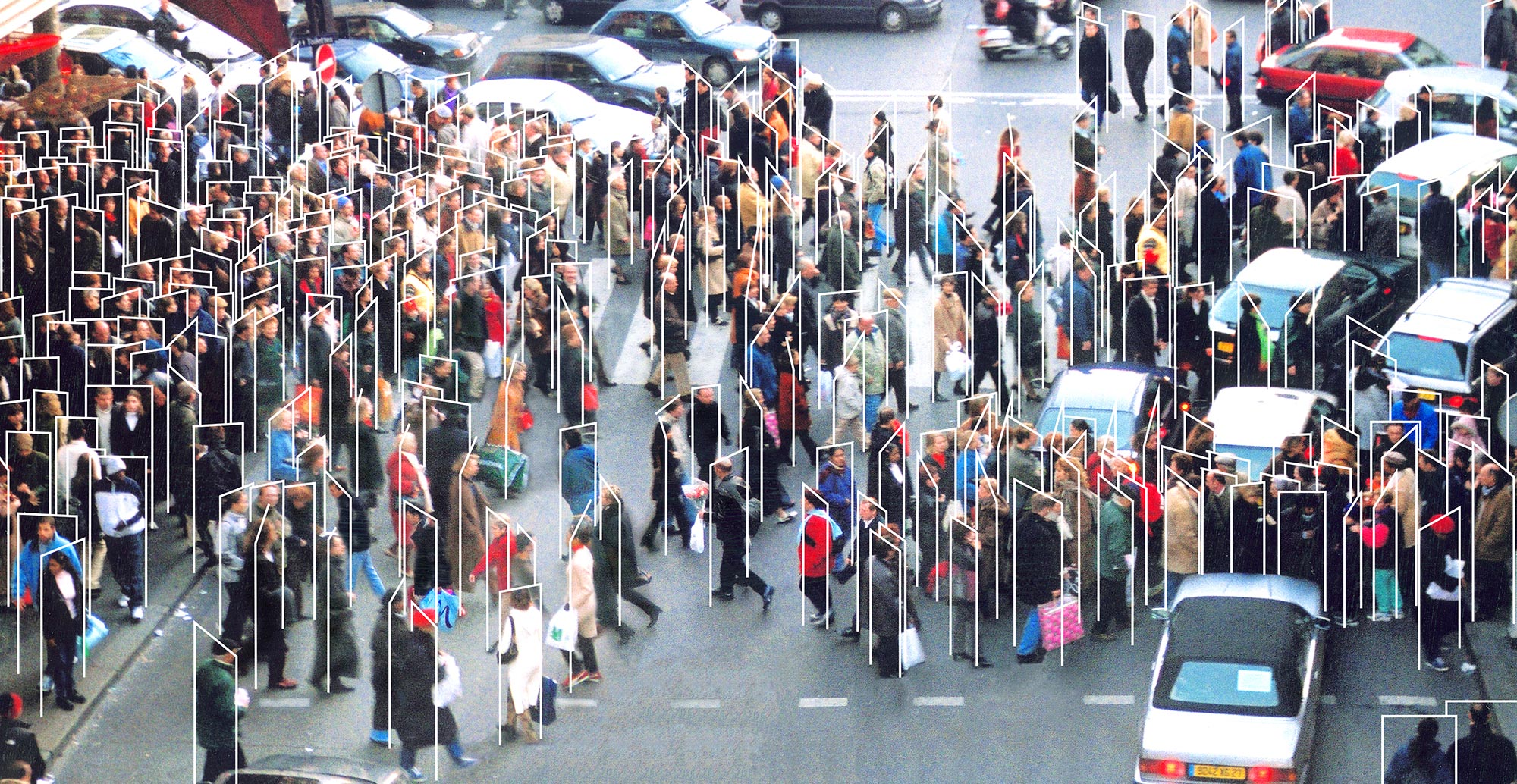
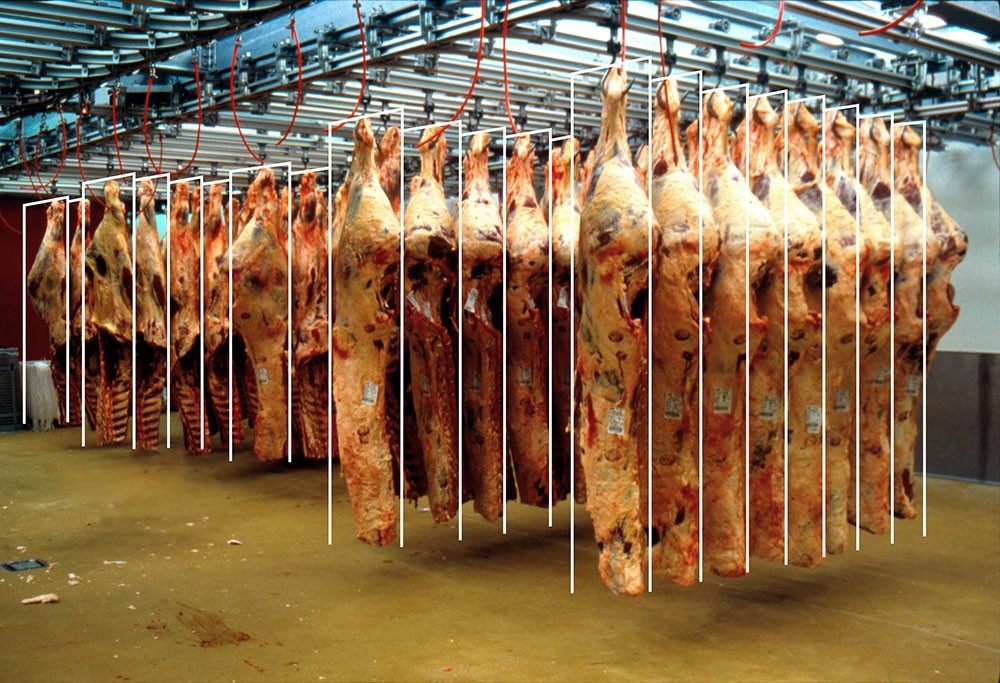
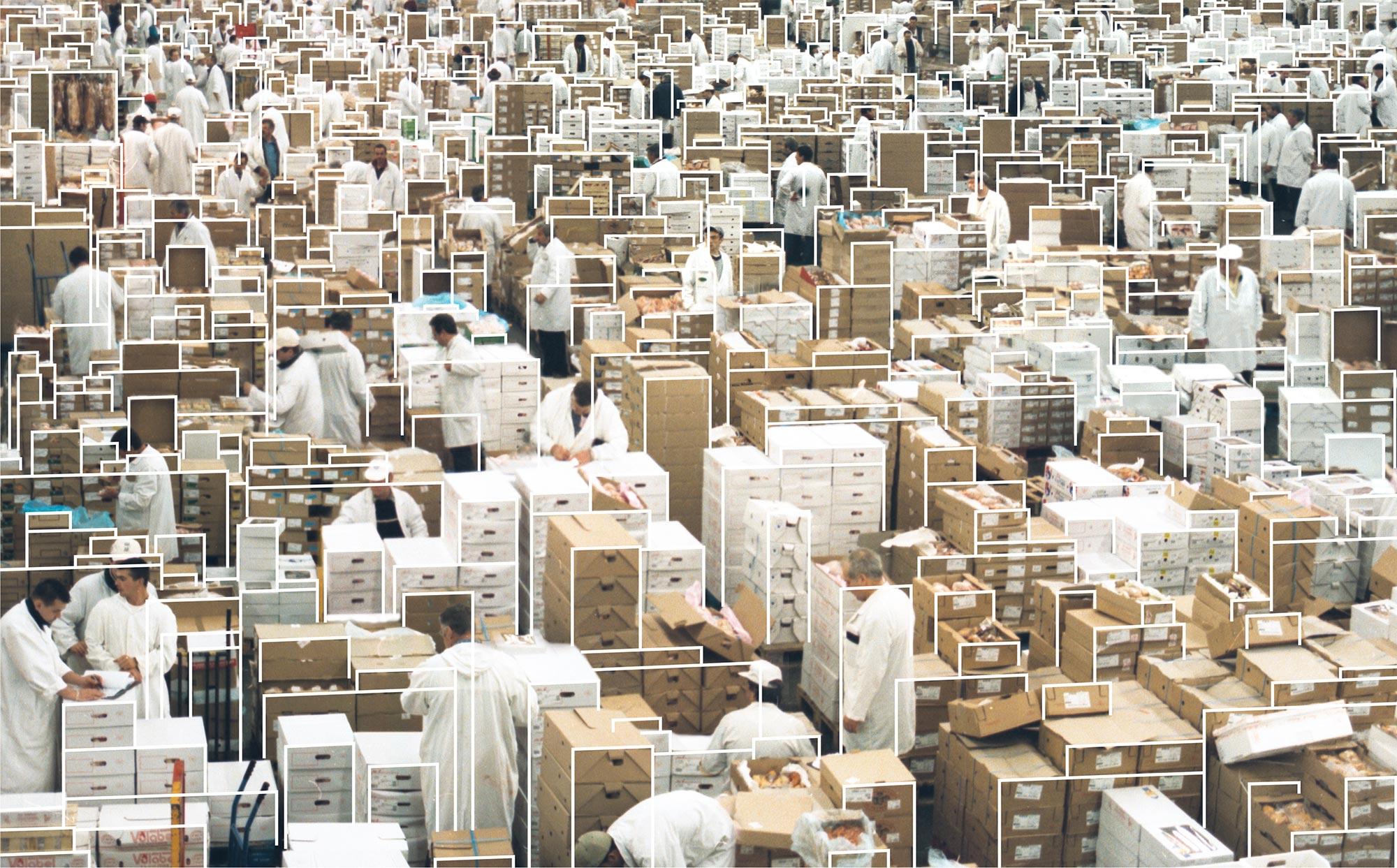
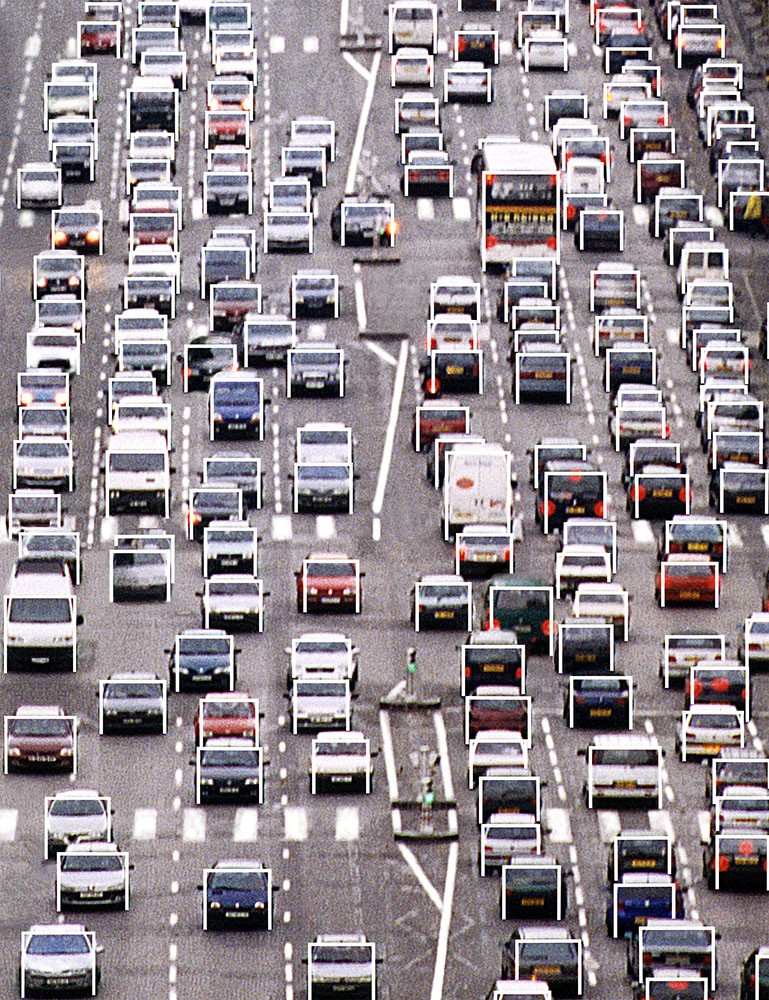
Isabelle Grosse has developed a personal visual process called “Outlining”, in which she frames groups (crowds, cities, objects, landscapes…) within her photographs or videos to reveal collective forms.
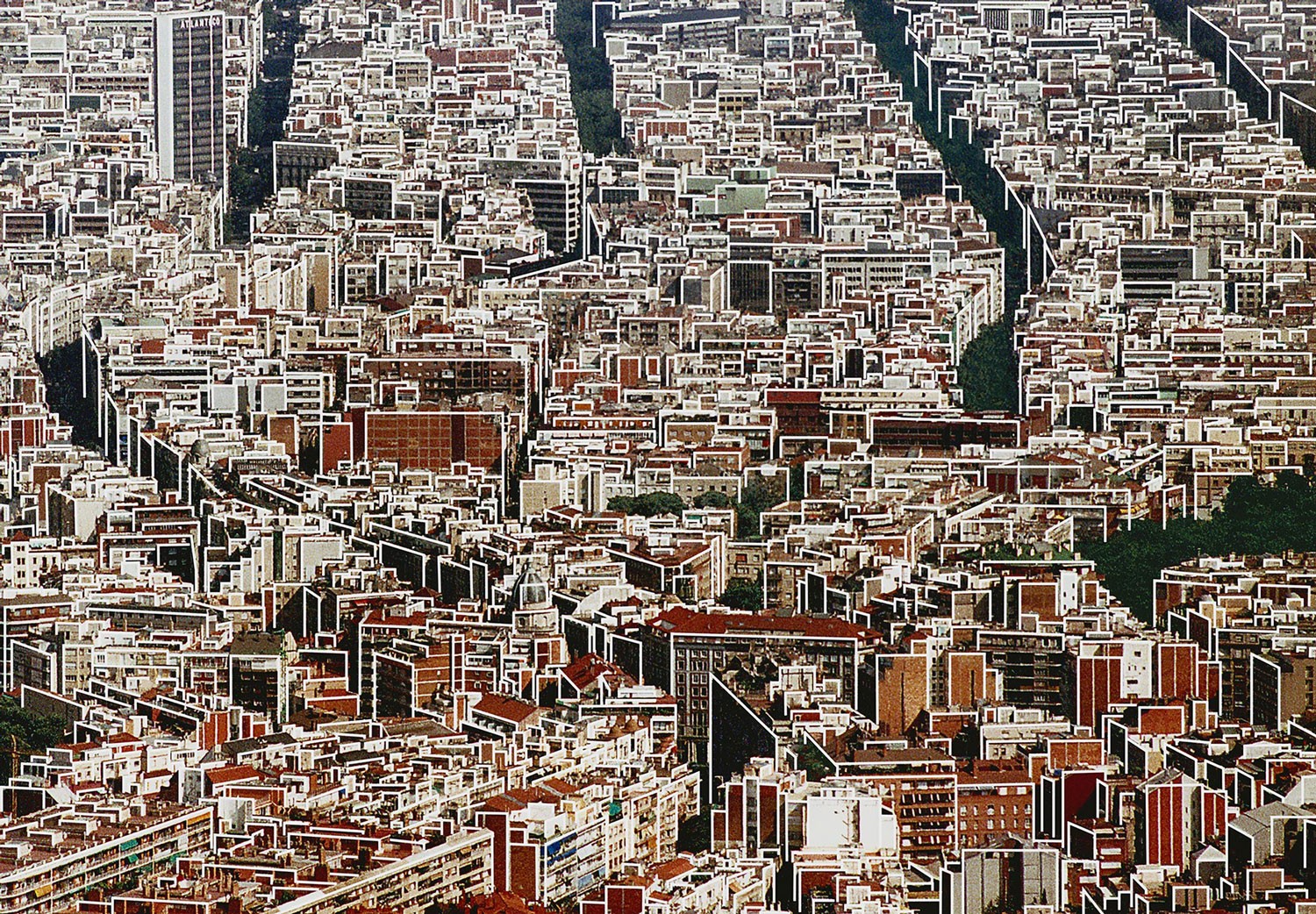
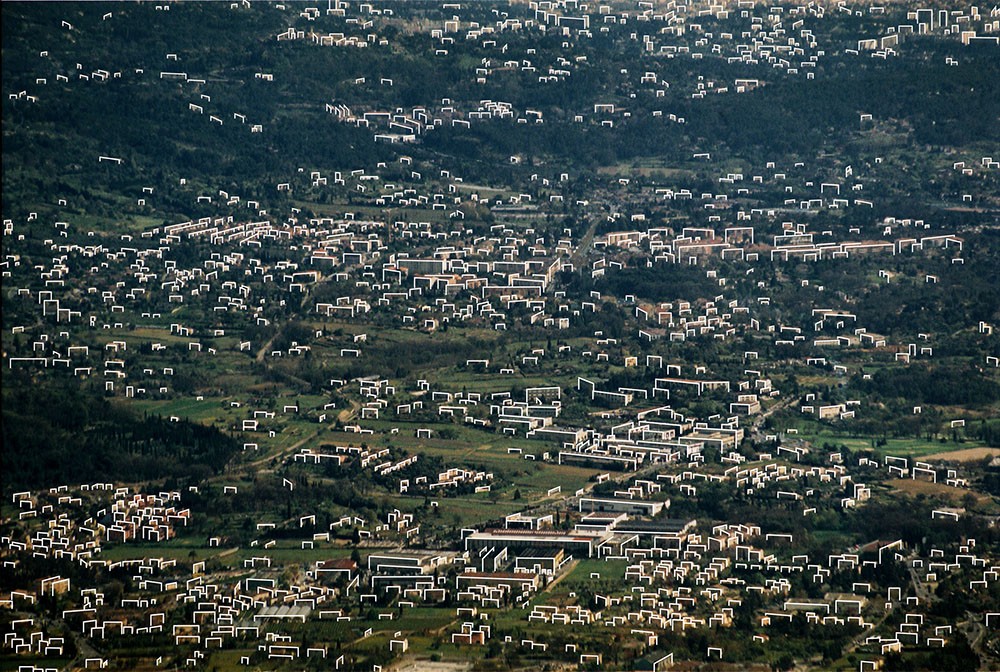
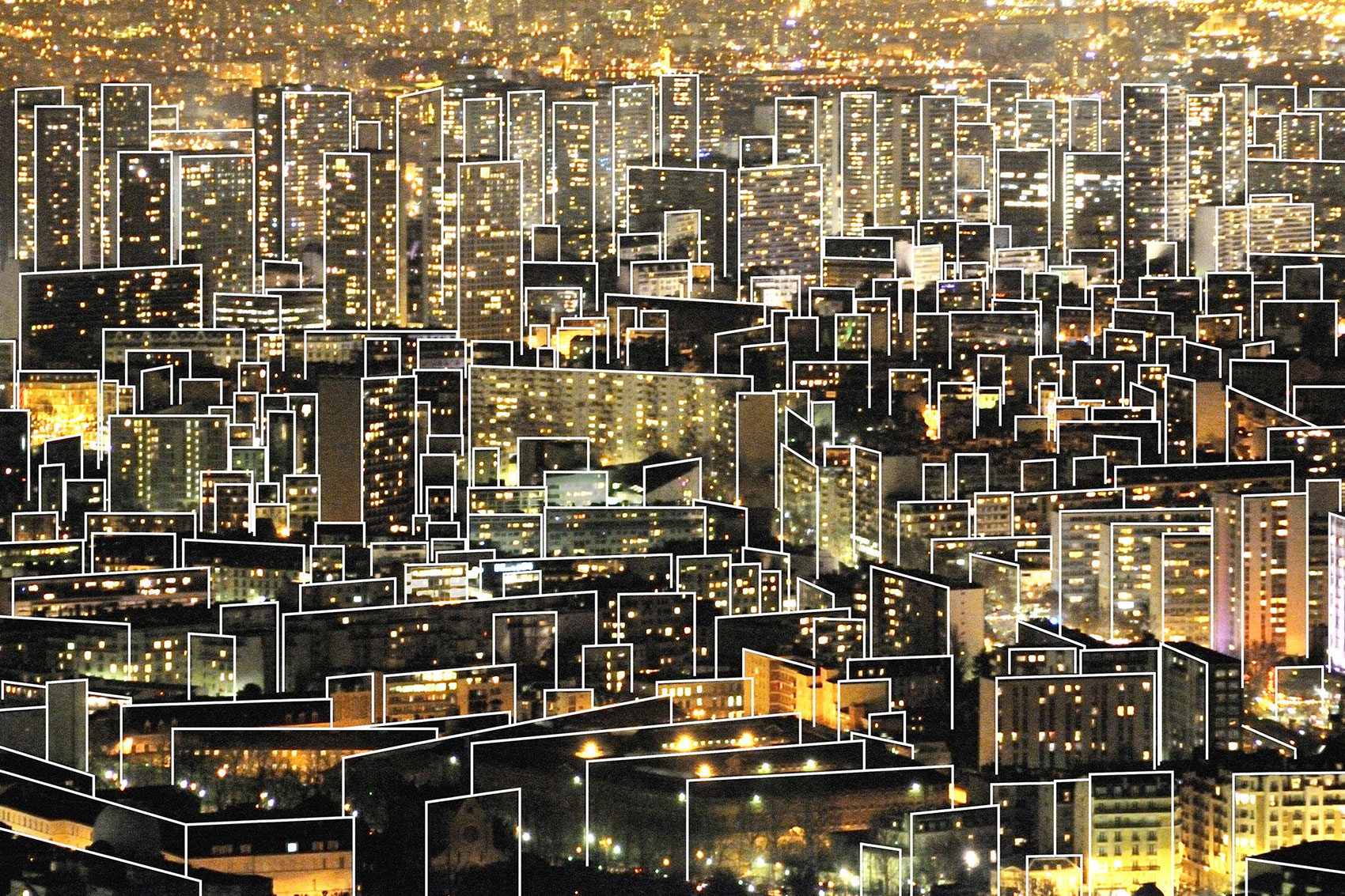
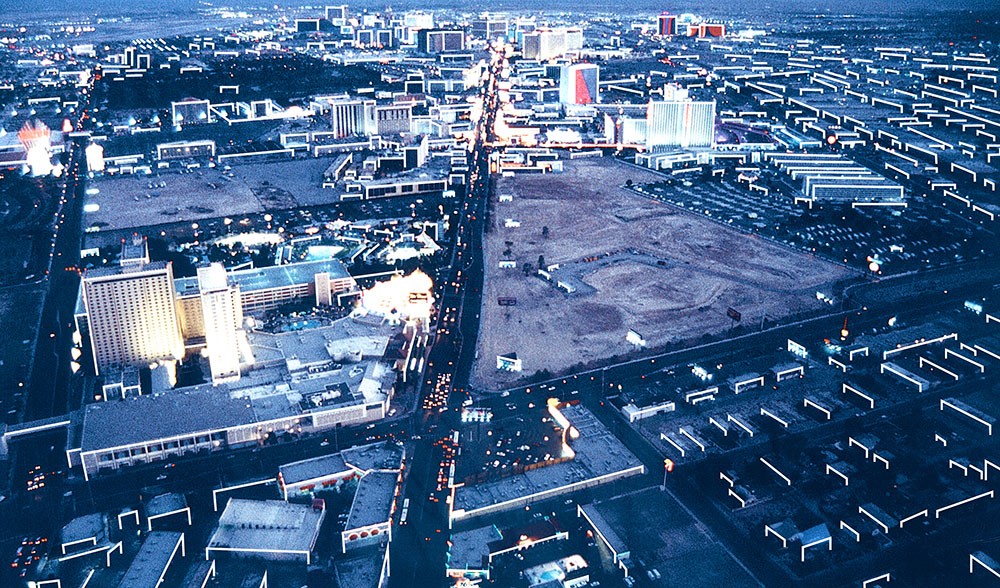
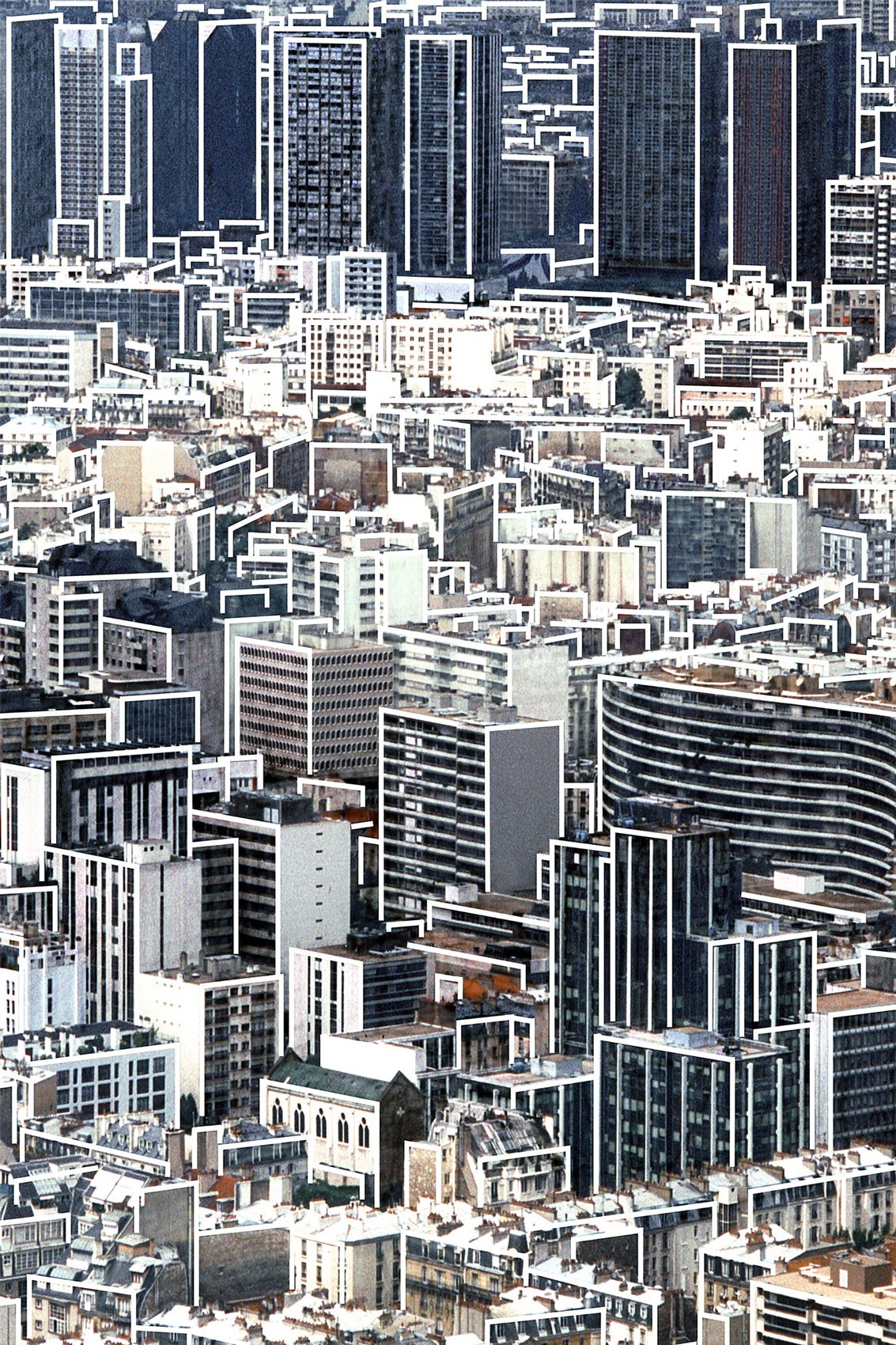
At first, she has been photographing urban landscapes, from higher ground. She manually reprocesses her pictures on the computer by methodically outlining the arrangement of the volumes in space according to the following rule: for each volume, only its largest facet is being outlined.
This rule of local approximation helps to construct an overall interpretative structure that underlines the lay-out of the volumes and accounts for the morphology of the urban environment. Superimposed, this structure empties the landscape of part of its semantic content: one forgets about the place and just keeps the morphology of the image
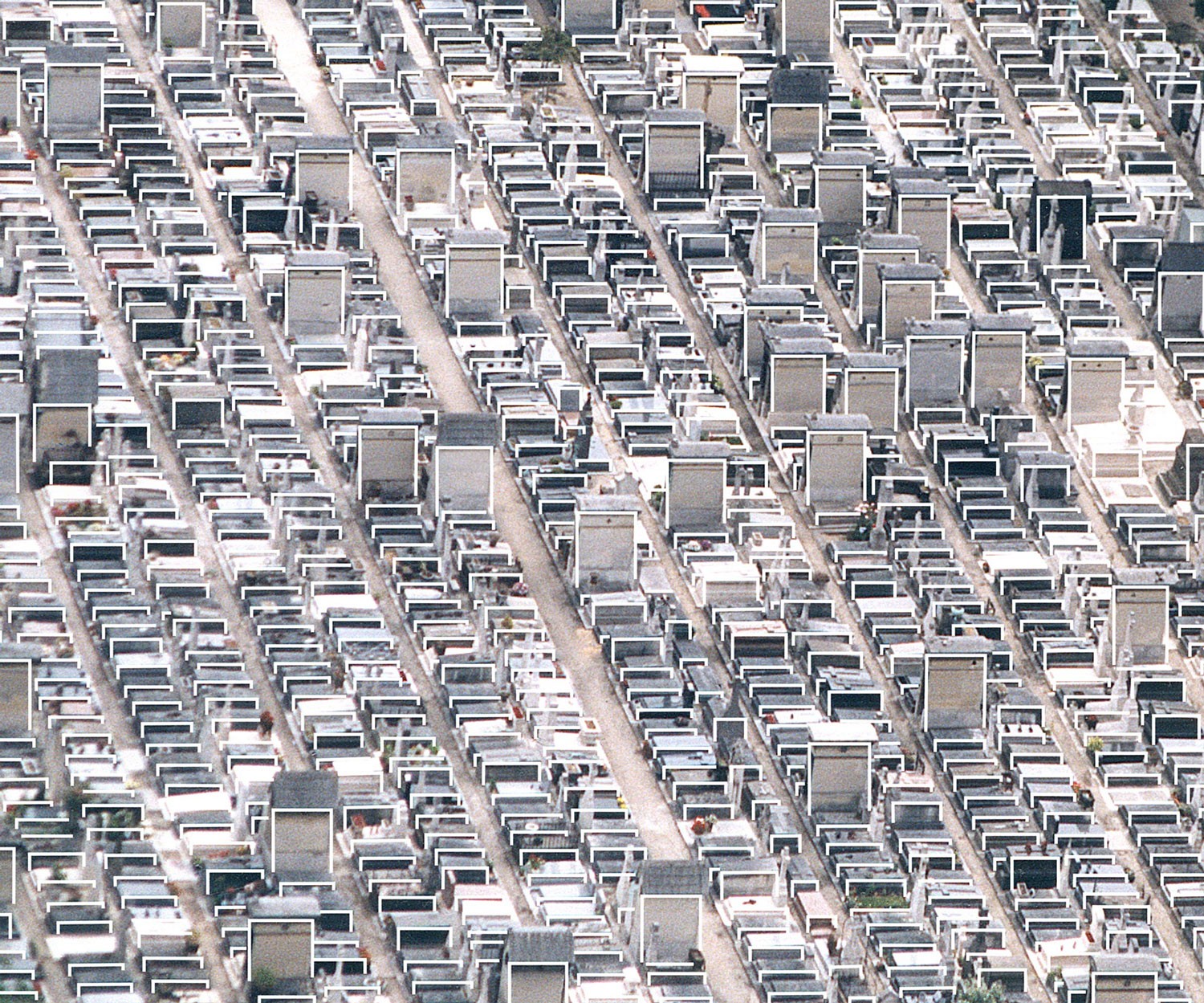
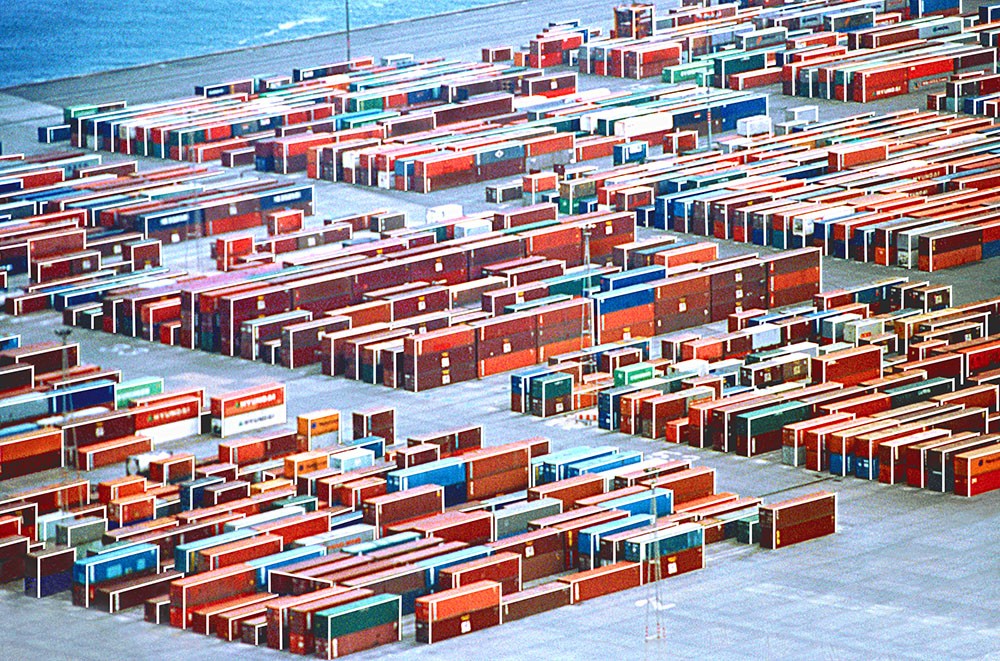
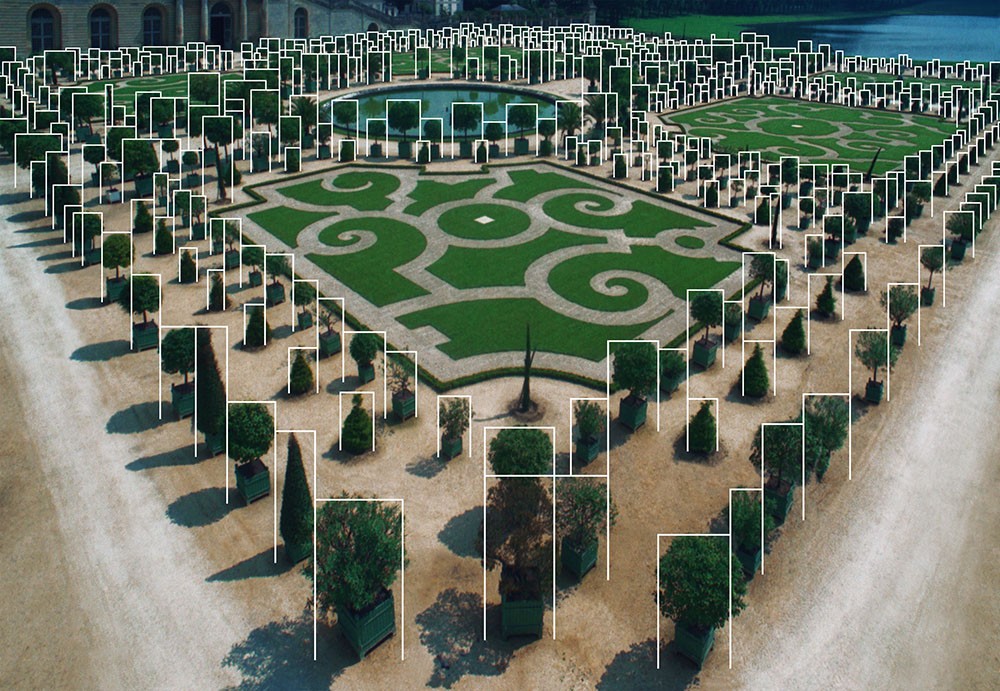
In a like manner, the artist deals with other types of spatial arrangements (crowd, cemetery, docks, computer maps, waste ground, landscaped garden…).
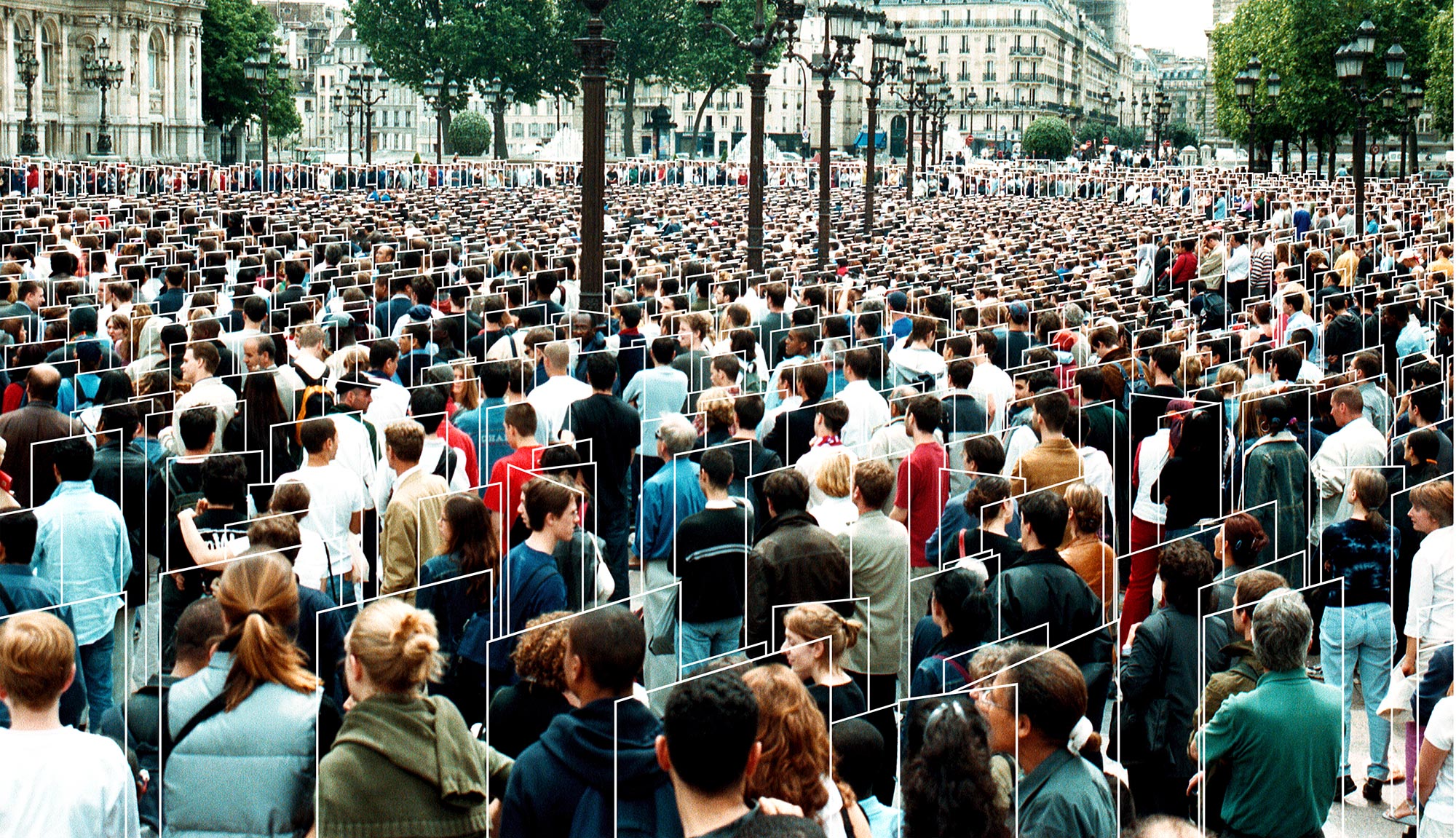
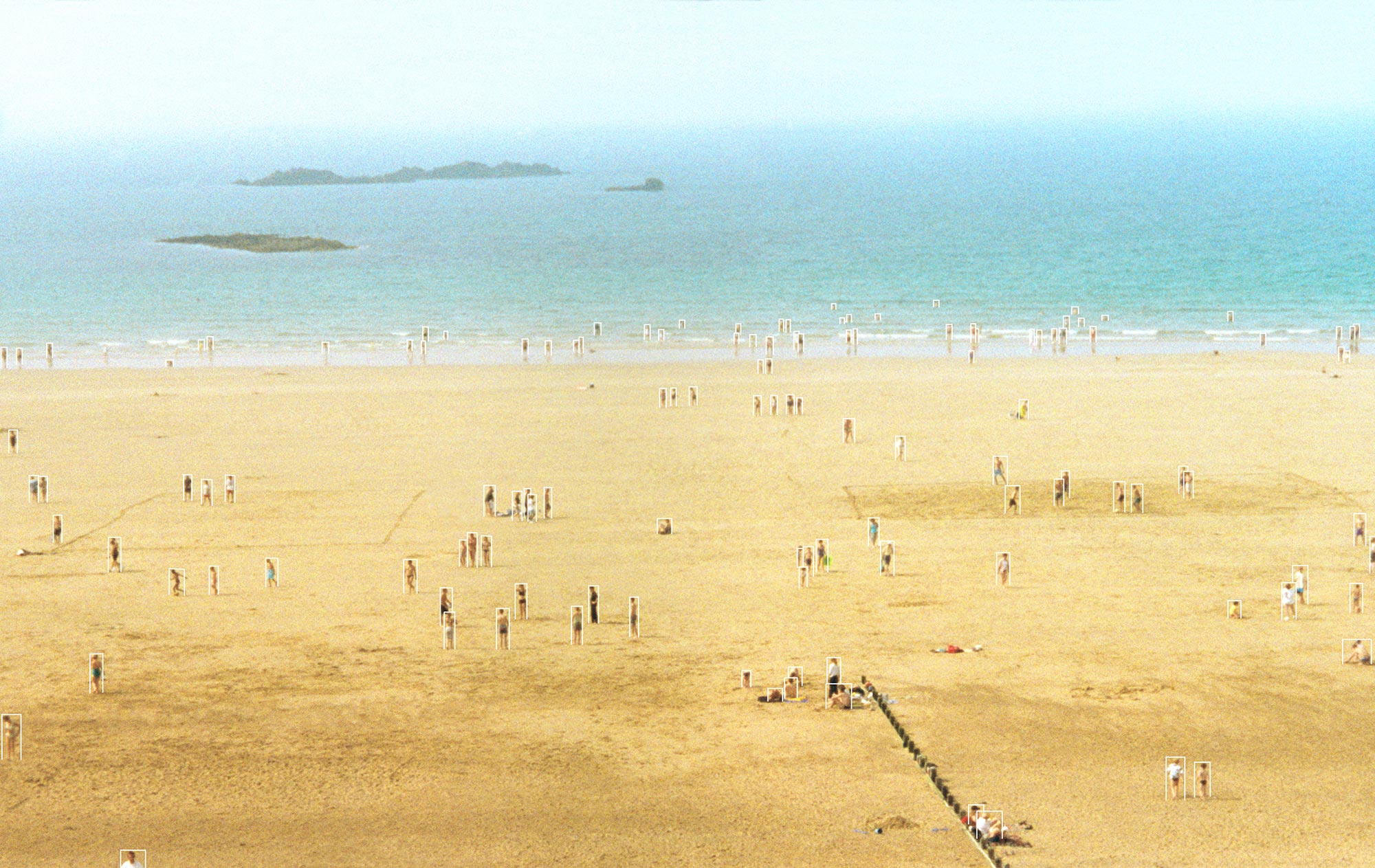
When she outlines crowds, the rule for the individuals is to take the direction of the shoulders into account.
Thus, the overlay reveals the instant stream.
The outlining grid change our reading of the picture, it makes us look at the photograph in a more accurate way : we navigate through the outlining grid and dive into the picture. This travel inside the image is like an investigation.
Isabelle Grosse has developed a personal visual process called “Outlining”, in which she frames groups (crowds, cities, objects, landscapes…) within her photographs or videos to reveal collective forms.
At first, she has been photographing urban landscapes, from higher ground. She manually reprocesses her pictures on the computer by methodically outlining the arrangement of the volumes in space according to the following rule: for each volume, only its largest facet is being outlined.
This rule of local approximation helps to construct an overall interpretative structure that underlines the lay-out of the volumes and accounts for the morphology of the urban environment. Superimposed, this structure empties the landscape of part of its semantic content: one forgets about the place and just keeps the morphology of the image
In a like manner, the artist deals with other types of spatial arrangements (crowd, cemetery, docks, computer maps, waste ground, landscaped garden…).
When she outlines crowds, the rule for the individuals is to take the direction of the shoulders into account.
Thus, the overlay reveals the instant stream.
The outlining grid change our reading of the picture, it makes us look at the photograph in a more accurate way : we navigate through the outlining grid and dive into the picture. This travel inside the image is like an investigation.
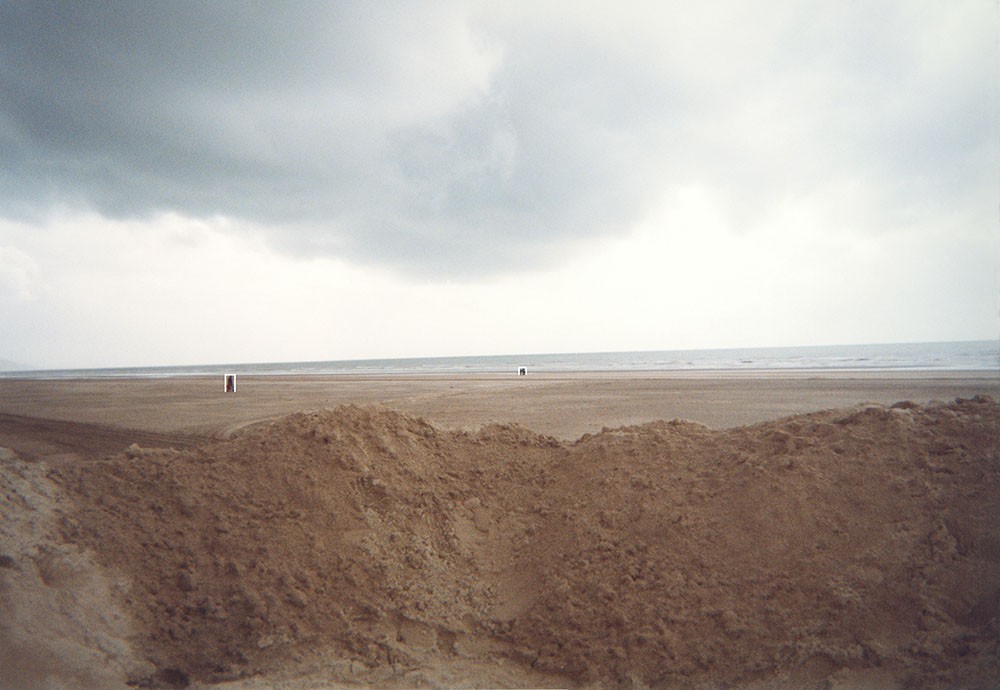
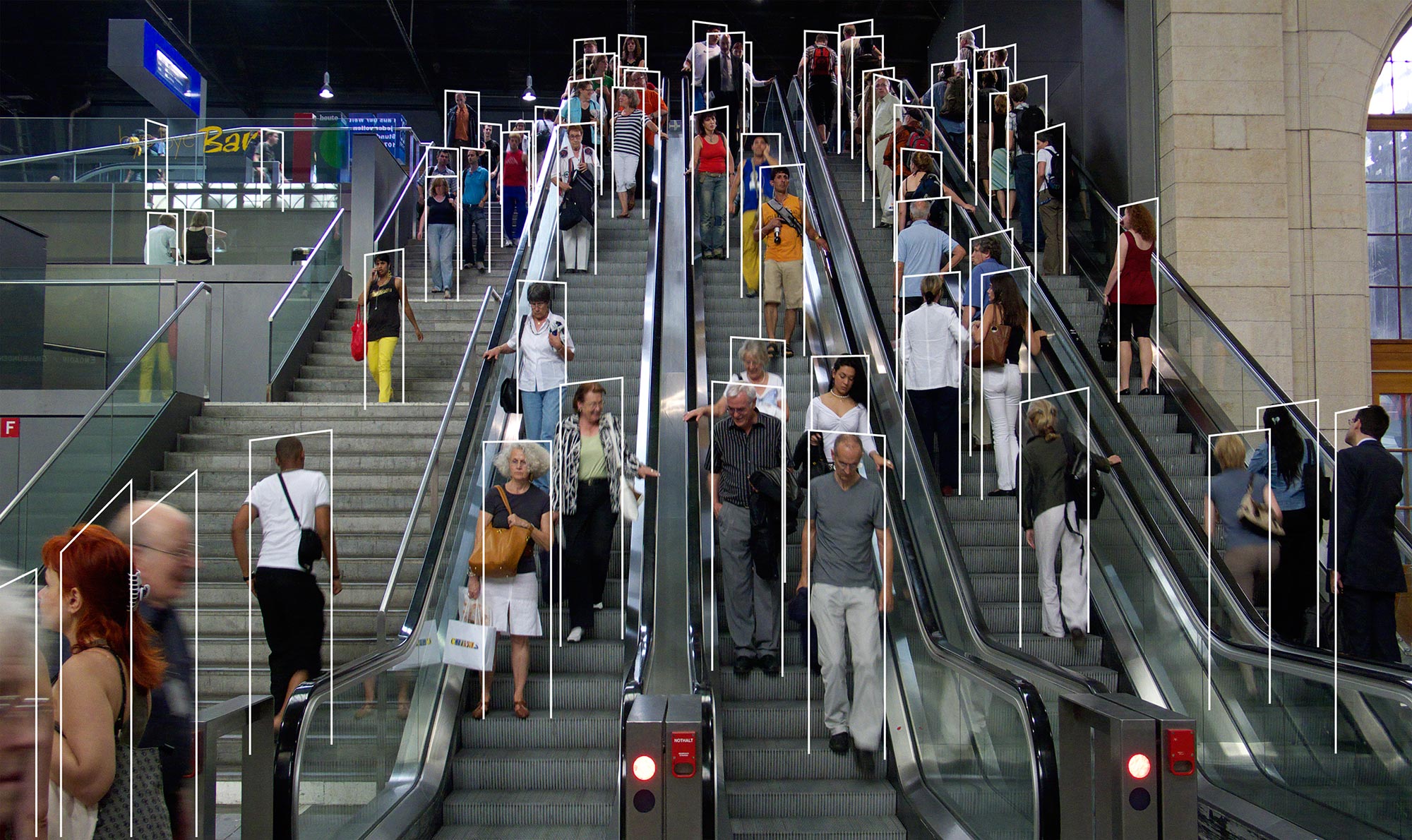
Is it generative art ?AI recognition ? No. Just eyes and hands.
Is it generative art ?AI recognition ? No. Just eyes and hands.
Is it generative art ?AI recognition ? No. Just eyes and hands.
CONTACT

WEBSITE BY ANTONIN FARRUGIA
WEBSITE BY ANTONIN FARRUGIA